
Geographical Diversity of Bangladesh
The geographical structure of Bangladesh is quite diverse and unique. This riverine country is called the largest delta in the world. Its topography can be divided into three main parts:
1. Sedimentary plains
About 80% of Bangladesh is fertile plains. Numerous rivers (such as the Padma, Meghna, Yamuna) have formed this land by carrying silt from the Himalayas. This plain is highly suitable for agriculture and is one of the most fertile regions in the world.
2. Mountainous regions
The mountainous topography is seen in the northeastern and southeastern parts of the country.
- Southeastern region: These hills are spread over Rangamati, Bandarban and Khagrachhari districts. The highest peaks of Bangladesh are located here.
- Northeast: The hills of Sylhet and Moulvibazar are relatively low and known as hillocks, which are famous for tea gardens.
3. Square land or highlands
These areas, slightly higher than the plains, are mainly known as Barind Bhoomi and Madhupur Garh.
- Barind Land: Spread over a part of Rajshahi Division.
- Madhupur and Bhawal Garh: Located in Tangail, Gazipur and Dhaka districts. The soil here is reddish in colour and is known for its sal forests.
Coastal Diversity and Sundarbans
Cox’s Bazar, the world’s longest continuous beach, is located in the south of Bangladesh. The Sundarbans is the world’s largest mangrove forest located in the southwest, which is unique in maintaining the natural balance and biodiversity.
Haor & Wetlands
In the Sylhet and Sunamganj regions, there are huge ‘haor’ or baor, which looks like the sea in the rainy season and becomes vast agricultural land in the dry season.
Forests & Wildlife of Bangladesh
The forests and wildlife of Bangladesh are very rich and diverse. Due to the geographical location, there are dense mangrove forests, as well as deep mountain forests and salforests. There are three main types of forests found in Bangladesh:
1. Mangrove forest (Sundarbans)
Located in the southwest of Bangladesh, the Sundarbans is the world’s largest continuous mangrove forest. It is a UNESCO World Heritage Site.
- Wildlife: The main attraction here is the Royal Bengal Tiger. There are also chitra deer, saltwater crocodiles, kamots, pythons and various species of birds and turtles.
- Characteristics: Sundari, Gewa, Goran and Keora trees are the main trees in this tidal forest.
2. Tropical evergreen and deciduous forests (hill forests)
These forests are located in Chittagong, Chittagong Hill Tracts (Rangamati, Bandarban, Khagrachhari) and Sylhet regions. It is the densest and most inaccessible forest in Bangladesh.
- Wildlife: Asian elephants can be seen here, which is one of the pride of wildlife in Bangladesh. Apart from this, monkeys, Hanuman, bespectacled Hanuman, macho tigers, monkeys and hornbills are also seen.
- Characteristics: The trees of this forest are green throughout the year. Teak, garjan, gamari and a lot of bamboo-cane are grown here.
3. Shalban or deciduous forest
The forests are spread over Dhaka, Tangail, Gazipur (Madhupur and Bhawaler Garh) and Dinajpur (Barind land) regions.
- Wildlife: Once upon a time, there were many tigers and leopards, but now mainly foxes, fish cats, squirrels, goosebumps and various types of native birds are seen.
- Characteristics: The leaves of this forest fall off in winter. The main tree here is the sal.
Challenges in Biodiversity Conservation
At present, many wildlife in Bangladesh are at risk due to deforestation and climate change. In particular, the habitat of the Royal Bengal Tiger and Asian elephants is shrinking. The government has now declared several areas in the Sundarbans and hilly areas as ‘sanctuaries’.
Other special wetlands
Millions of migratory birds come to the haor and beel areas during the winter, which adds a new dimension to the wildlife diversity of Bangladesh. Especially Tanguar Haor and Hakaluki Haor are famous for this.
Seasonal variation and weather
The climate and seasonal diversity of Bangladesh is quite different from other countries of the world. As the Tropic of Cancer passes through the middle of the country, there is a tropical monsoon climate. In the cycle of six seasons, the form and weather of nature are constantly changing.
Major Seasons in Bangladesh
1. Summer (Boishakh-Jyeshtha)
The warmest season of the year. At this time, the temperature rises a lot and occasionally there are storms. In addition to the intense heat, this season is famous for juicy fruits like mango, blackberry, jackfruit and litchi.
2. Rainy season (Ashadha-Shravana)
Due to the influence of the monsoon, there is a lot of rain at this time. The rivers, haors and lakes of Bangladesh are filled with water. The scene of the monsoon flowers and boat rides are part of the rural tradition of this country.
3. Autumn (Bhadra-Ashwin)
After the departure of the monsoon, the white clouds in the blue sky and the white kashful on the banks of the river will be the main feature of autumn. The weather is pleasant and temperate.
4. Hemantakaal (Kartika-Agrahayan)
It’s the season of Nabanna. Golden paddy ripens in the fields and the farmers celebrate the harvest festival. From this time, the light winter season began and dew was seen accumulating on the grass in the morning.
5. Winter (Poush-Magh)
The most comfortable season in Bangladesh. Cold winds from the Himalayas in the north cause the temperature to drop. At this time, the festival of Pithapuli and the celebration of various vegetables are seen. Especially date juice is a unique attraction in winter mornings.
6. Spring (Falgun-Chaitra)
Nature dresses up in a new way in the spring. New leaves grow on the trees and Shimul-Palash flowers bloom. The cuckoo’s call heralds the arrival of spring.
Characteristics and effects of weather
- Annual Temperature: The average temperature is usually between 25° C and 35° C. However, it can rise up to 40 ° C in summer and sometimes drop to 5°-10° C in the northern part of the winter with the intensity of winter.
- Rainfall: The highest rainfall occurs from June to October. The northeastern region (especially the Sylhet region) is the most rain-prone area.
- Natural disasters: Due to its geographical location, Bangladesh often faces cyclones, tidal surges, and floods, which have a profound impact on the country’s agriculture and public life.
Beaches and Islands
The beaches and islands of Bangladesh are one of the main attractions of the country’s natural beauty. The vast waters of the Bay of Bengal and the alluvial islands are very important for tourism and biodiversity.
1. Notable beaches
Cox’s Bazar Beach
It is the longest continuous natural sandy beach in the world, with a length of about 120 kilometers.
- Features: The rows of Zhauban, blue waters, and the mittali of the mountains and the sea make this beach unique. Inani beach and Himchari waterfall are the main attractions of the beach.
Kuakata Beach
Located in Patuakhali district, this beach is known as ‘Sagarkanya’.
- Features: It is the only beach in Bangladesh from where sunrise and sunset can be seen at the same time. The long coconut grove and the diverse culture of Rakhine Palli can be seen here.
Patenga Beach
Located in the city of Chittagong, this beach is quite popular. The beach is located where the Karnaphuli River joins the Bay of Bengal. Surrounded by rocky embankments and blocks, this beach is excellent for watching the sunset.
2. Main islands of Bangladesh
Bangladesh is home to a number of diverse islands, which are the focus of tourism and research:
St. Martin’s Island
It is the only coral island in Bangladesh.
- Features: Located about 9 km south of Teknaf, the island’s clear blue waters and rows of coconut trees attract tourists. To its south is the torn island, which is separated from the main island at high tide.
Hatia and Sandwip
Located at the mouth of the Meghna River, these islands are the oldest settlements in Bangladesh.
- Sandwip: This is a historic island that was once famous for its shipbuilding industry.
- Hatia: There is a forest area called Nijhum Island, which is one of the largest habitats of the Chitra deer.
Maheshkhali and Kutubdia
- Maheshkhali: It is the only mountainous island in Bangladesh. The Adinath Temple and the Golden Temple are located here. The cultivation of betel leaf and salt here is quite famous.
- Kutubdia: This island is known for its ancient lighthouses and windmills.
Bhola (largest island)
Bhola is the largest island district of Bangladesh. It’s called the “Green City.” The natural beauty of Manpura and Char Kukri-Mukri islands attracts tourists.
Geographical importance
These islands and beaches play a huge role in Bangladesh’s economy through fisheries, salt production and tourism industries. However, these coastal areas are currently at some risk due to rising sea levels due to climate change.
Nature of rural Bengal
Rural Bengal of Bangladesh means a living watercolour picture. The soul of this country is basically hidden in its lush countryside. Depending on the seasons, the nature of rural Bengal is captured in different outfits, which is similar elsewhere in the world.
1. Evergreen fields and waves of crops
The main feature of the villages of Bangladesh is the green fields spread over miles of land.
- Paddy fields: When the green rice seedlings are swayed by the wind, it seems like a huge green sea. When the green turns golden in Agrahayana, then a different kind of nobility emerges in nature.
- Mustard Field: In winter, yellow mustard flowers on the horizon give the village a magical look. Its fragrance and buzzing of bees are an integral part of rural nature.
2. Shade trees and meadows
Trees lined up on both sides of the village’s crooked paths bring tranquility.
- Bamboo bushes and mango orchards: Almost every house has a dense bamboo bush or mango-jackfruit garden. At noon, the sound of doves and the rustling of tree leaves creates a strange silence.
- Banyan trees: The ancient banyan trees with huge branches in the village hat or intersection are the guardians of the village. This is the main refuge for passers-by and shepherds to rest.
3. Rivers and Water Bodies
In riverine Bangladesh, villages and rivers complement each other.
- Ghat Scene: In the morning, the women of the village come to fetch water from the pitcher or in the afternoon the fishermen cast their nets.
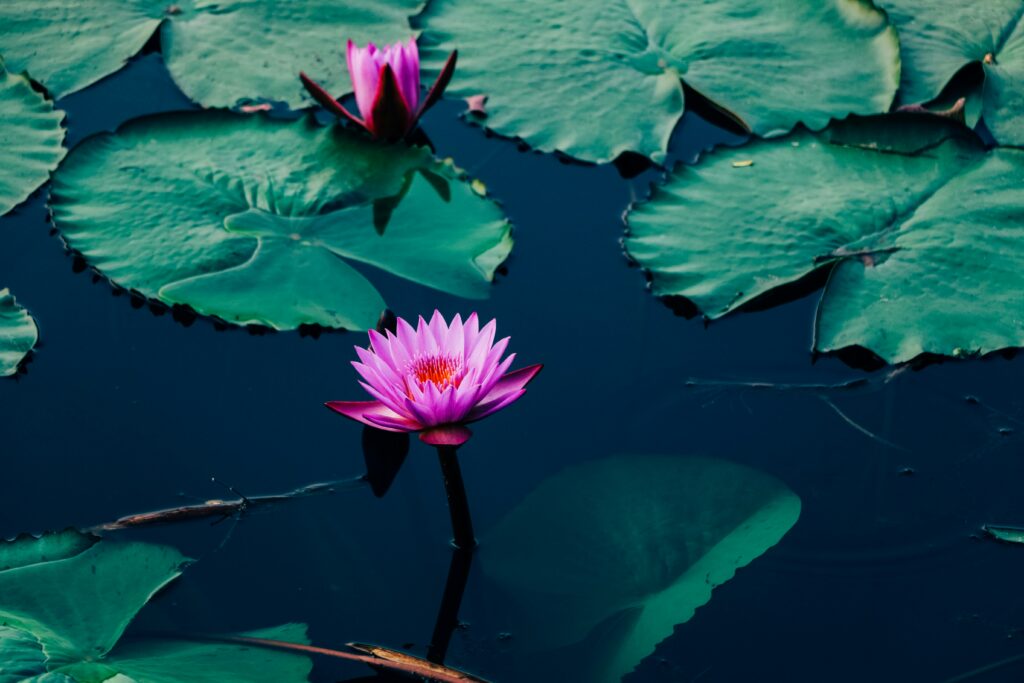
- Lotus and Shapla Beel: At the end of the rainy season, when white and red shapla bloom on the bills, it seems as if the stars are sitting in nature.
4. Huts and rural life
Straw or tin rice houses, paddy fields in the courtyard and Tulsi floors – all are the life of rural nature.
- Evening Setting: In the evening, when smoke comes out of the earthen stove and the sun sets behind the bamboo bushes, a calm and soothing atmosphere is created. The row of winged bucks in the sky then filled with nature.
Changes in Nature from Season to Season
- In the rainy season: The village becomes like a small island, where the main means of transportation are dinghy boats.
- Winter: Silent villages covered in early morning fog and pots of juice hanging from palm trees create a wonderful sight.
For More Details: Click Here
For Visit Our More Content: Click Here