
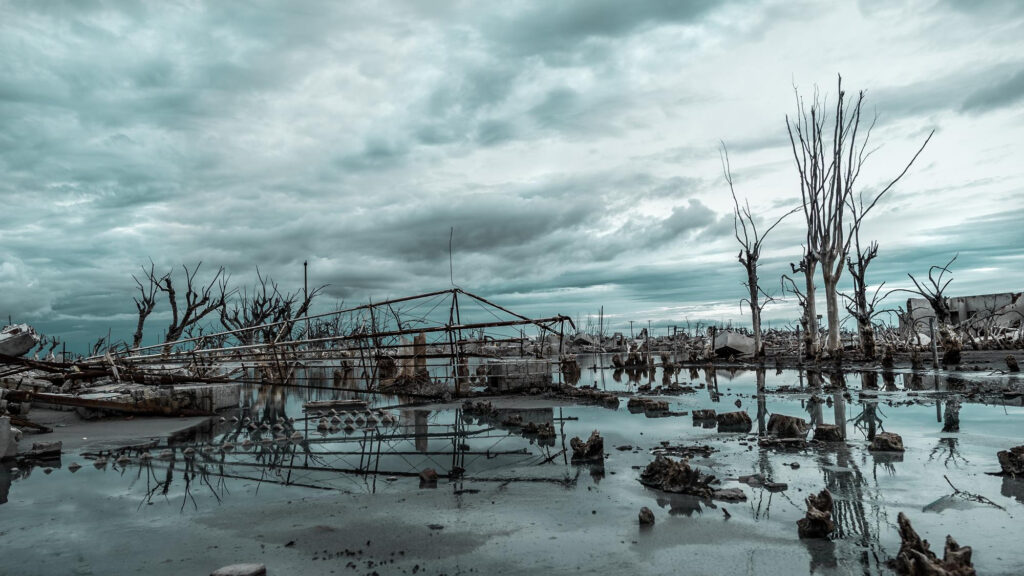
Introduction to the Challenges of Nature
Bangladesh is known as one of the most disaster-prone countries in the world. Due to its geographical location, the delta faces various challenges every year. Floods, cyclones, and river erosion are constant companions for the people here. We must analyze the nature of natural disasters in Bangladesh to protect our economy. However, the success of our people in managing these adversities is appreciated worldwide.
1. The Main Causes of Natural Disasters in Bangladesh
There are three types of reasons behind these events: geographical, climatic, and man-made. Bangladesh is a low-lying plain located between the Himalayas and the Bay of Bengal. Consequently, there is heavy rainfall during the monsoon, and low pressure creates storms in the sea.
Geographical Factors and Climate Change
Sea levels are rising due to global warming and climate change. As a result, saltwater enters coastal areas, increasing the frequency of cyclones. Many rivers spread like nets across the country but cannot carry excess water. This leads to severe floods during the rainy season and droughts in summer.
Man-made Causes of Environmental Damage
Indiscriminate tree felling and river encroachment are destroying the natural balance. Unplanned urbanization also increases the severity of environmental crises. When we destroy hills and forests, we invite more frequent calamities. Therefore, human activities play a huge role in worsening the situation.
2. Major Types of Natural Disasters in Bangladesh
Several types of calamities are mainly seen in this country. Every year, large areas are flooded during the rainy season due to excessive rainfall. Powerful cyclones like Sidr or Amphan hit coastal districts, causing extensive loss of life. These events disrupt the lives of millions.
River Erosion and Earthquakes in the Delta
During the monsoon, strong currents wash away houses and towns on riverbanks. It is one of the silent crises affecting many people. Additionally, the country is geologically prone to moderate to severe earthquakes. This is because it is located on several active fault lines.
3. Socio-Economic Impact of Natural Disasters in Bangladesh
These events have a multifaceted negative impact on our society. Cyclones and floods kill many people and livestock every year. Families lose their homes and become homeless in an instant. Food security is also threatened when crops are destroyed by water or heat.
Economic Recession and Public Health Risks
Damaged roads and power cuts have a negative impact on the national GDP. The government must spend its development budget on post-disaster reform work. Furthermore, floods are often followed by outbreaks of waterborne diseases. There is also a severe shortage of clean drinking water during these times.
4. Solutions and Management of Natural Disasters in Bangladesh
It is not possible to prevent nature completely, but we can reduce the damage. We must strengthen our forecasting systems using modern technology for early warnings. Accurate information can save thousands of lives before a storm hits the coast. This is a vital part of national safety.
Construction of Shelters and Green Belts
Adequate cyclone shelters and durable embankments should be constructed in coastal areas. It is also important to create a green belt through massive afforestation. Regular river dredging can help water flow easily and prevent overflowing. These steps are essential for long-term safety.
Conclusion: Reflecting on Natural Disasters in Bangladesh
In conclusion, these events are a harsh reality we must face with courage. Instead of blaming fate, we have to deal with them in a scientific way. With combined efforts, the country has become a global role model in management. We must continue to protect our environment to ensure a safer future.
Visit Our Facebook Page: Click Here
For Visit Our More Content: Click Here
See my more post
Mobile phone blessing or curse for the younger generation?
Online and Traditional Education: A Comparative Analysis for the Future