
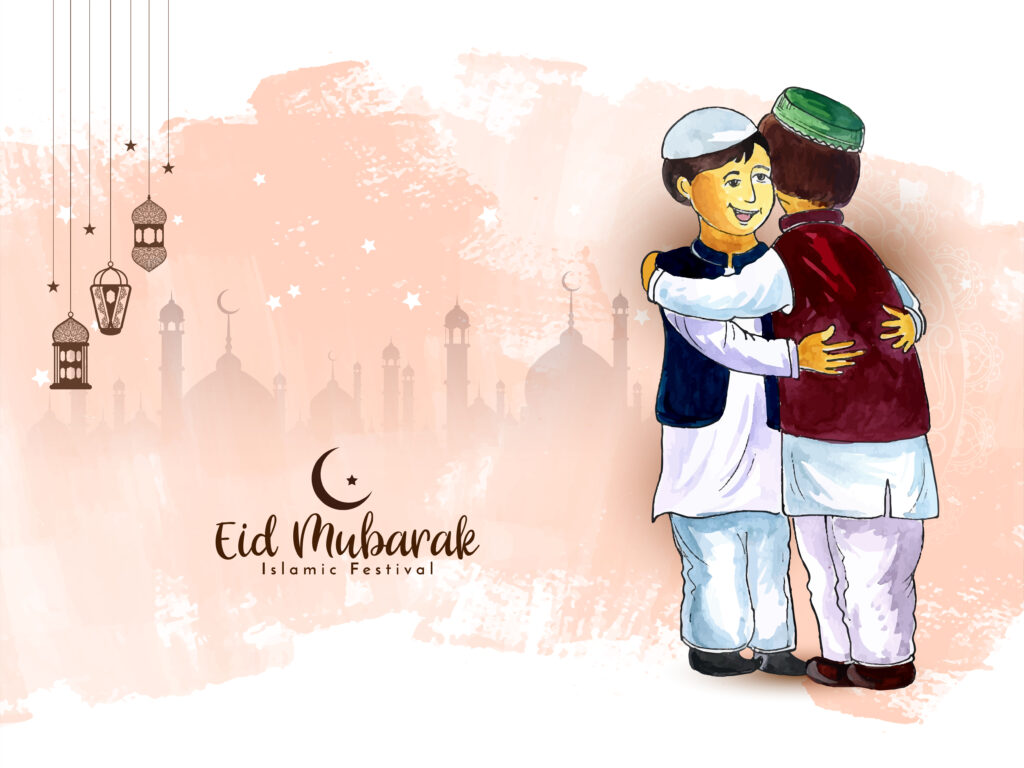
Introduction to the Major Eid Difference
The two best days of the Islamic calendar are Eid-ul-Fitr and Eid-ul-Adha. Every year, these two days return with a message of spiritual revival. While one represents joy after fasting, the other marks the culmination of sacrifice. These festivals help us appreciate the depth of Islamic traditions.
Exploring the Core Eid Difference Between the Two Festivals
While both festivals celebrate faith, they focus on different spiritual aspects. One primarily marks the end of a month of fasting. Consequently, the focus remains on self-purification. In contrast, the other commemorates the ultimate sacrifice of Hazrat Ibrahim (a.s.). Therefore, the main distinction lies in the nature of worship.
Part One: Eid-ul-Fitr – A Festival of Self-Purification
Muslims celebrate this day on the first of Shawwal. Before this, believers fast for an entire month. Ramadan is the month in which the Qur’an was revealed. This period prepares the soul for spiritual victory.
The Culmination of Spiritual Training and the Fitra Difference
This occasion marks the successful end of a month-long training. During this time, Muslims learn to suppress worldly desires. Another significant part of this day is the mandatory ‘Sadaqatul Fitr’. People must give money or food to the poor before the prayer.
Unity in Prayer and Bengali Traditions
On the morning of the festival, Muslims gather at the Eidgah. This gathering proves that there is no distinction before Allah. In Bengali culture, people often call this ‘Sweet Eid’. Wearing new clothes strengthens family bonds throughout the day.
Part Two: Eid-ul-Adha – The Glory of Sacrifice and Hajj
The foundation of this day began about four thousand years ago. Allah ordered Hazrat Ibrahim (a.s.) to sacrifice his favorite object. When he showed his loyalty, Allah replaced his son with a sheep. Since then, believers observe this sacrifice.
The Unique Eid Difference in Rituals and Hajj
This day falls on the 10th of Zilhajj. Hajj is closely associated with this period. Millions of people gather in Mecca from all over the world. A major ritual here is Qurbani. It is about your piety reaching Allah.
Meat Distribution and Economic Impact
Muslims divide the sacrificial meat into three equal parts. They keep one for themselves and give the rest to others. This rule ensures that no one remains deprived. Moreover, the animal market creates a huge tide in the national economy.
Part Three: Comparative Analysis of the Two Eids
One teaches us restraint by obeying God’s will. On the other hand, the other teaches us sacrifice. The combination of these two teachings shapes an ideal human being. This fundamental balance helps our spiritual life perfectly.
Environmental Awareness During Festivals
In modern times, environmental awareness is crucial during these festivals. People must remove waste properly after the sacrifice. Cleanliness is a significant part of faith. Therefore, practicing this lesson is essential for everyone.
Social Solidarity and Global Brotherhood
Beyond rituals, these days foster a sense of global brotherhood. People visit neighbors and share meals regardless of their social status. This tradition breaks down barriers and promotes peace within the community. It is a time for forgiveness and building new relationships.
Part Four: The Evolution of Festivals in the Modern Era
Technology has changed how we celebrate these special days. In the past, people sent physical cards to their loved ones. Now, we use instant messaging and video calls to stay connected. However, the core values of faith and family remain unchanged.
Impact on Local Businesses and Markets
These festivals significantly boost the local economy every year. Clothing brands, spice traders, and farmers see a massive rise in sales. This economic activity supports thousands of families and small business owners. It is a vital period for the country’s financial growth.
Education and Passing Traditions to Children
Parents play a key role in teaching the next generation about these values. Children learn the importance of sharing and the history of their faith. These lessons stay with them and shape their character as they grow. Family gatherings are the best school for these cultural traditions.
Conclusion: Reflecting on the Eid Difference
In conclusion, these two days are like the two wings of Islam. One purifies our souls, while the other glorifies renunciation. This allows us to practice these teachings more deeply. Ultimately, the joy lies in sharing with everyone.
For More Details: Click Here
For More Details: Click Here
For Visit Our More Content: Click Here
See my more post
Mobile phone blessing or curse for the younger generation?
Online and Traditional Education: A Comparative Analysis for the Future